#blog · September 26, 2024
The Construction Industry in 2024
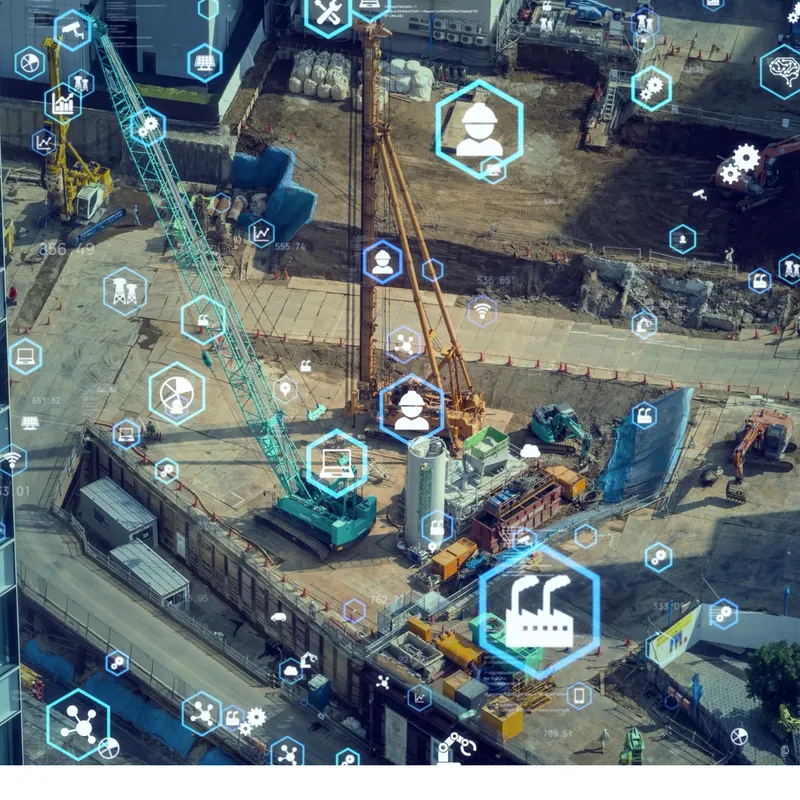
The construction industry is facing constant transformation and innovation, with technology, sustainability, and efficiency at its core. Due to the shortage of skilled workers in construction, digitalization is a key issue for 2024, as it's needed to speed up processes and increase productivity and efficiency for companies.
Industry experts are convinced that change is necessary. But which building blocks are actually driving this change in 2024? klarx has compiled the 5 innovation drivers for this year so you can be part of the transformation in the construction industry and secure your company's growth.
1. Digital Transformation and Construction Technology
Did you know that the construction industry is one of the least digitalized industries in Germany? According to a current PWC study, around 60% of construction companies see room for improvement in applying digital solutions. However, digitalization in the construction industry is very multi-faceted.
The areas where digital solutions can achieve the greatest efficiency gains are process automation and project communication. Additionally, digital solutions can help organize and structure the large volumes of data from processes more efficiently.
The major advantage of digital solutions is that they enable faster workflows through automated processes. This creates efficient collaboration on construction projects and provides greater transparency. That's exactly what klarx is committed to with its solution: more efficiency, transparency, and predictable costs through digital construction equipment procurement. With klarx, you can rent all construction machinery and equipment digitally, return them, and extend rentals – with guaranteed availability. You won't waste time on manual processes and you'll have a reliable partner for your construction equipment needs who delivers nationwide.
2. Sustainability and Green Building Practices
Sustainability has become the standard in the construction industry. In 2024, green building practices will be increasingly applied to reduce the environmental footprint. This includes the use of eco-friendly building materials, energy-efficient building concepts, and increased use of renewable energy sources.
Digital solutions also help improve the environmental impact of buildings. In particular, the use of digital models helps reduce the ecological footprint and create greater efficiency. With digital solutions, designs can be quickly calculated and adapted according to building requirements.
The choice of construction machinery for building projects also has a major impact on the ecological balance of construction projects. For this reason, it's often advantageous to rent newer construction equipment for projects rather than purchasing your own and relying on older models with higher emission consumption. The delivery distance of construction machinery to job sites is also an important factor in the ecological footprint. At klarx, the average delivery distance for construction equipment is only 60 km and is significantly lower than using your own machinery.
Discover klarx' digital solution
3. Modular and Prefabricated Construction
The trend toward modular and prefabricated construction will continue to grow in 2024, as it delivers significant time and cost savings. Additionally, modular construction can reduce risks associated with traditional building methods.
Benefits and Advantages of Modular Construction
- According to experts, cost savings in modular construction are around 30%, mainly due to labor cost savings
- By prefabricating off-site, production times are shortened, which can significantly reduce project duration
- Modular construction is carried out under controlled conditions using high-quality materials, which improves the quality of the final product and means lower risk of defects
- Modular construction contributes to reducing CO2 emissions, as prefabricated materials are used that require less water and energy and generate less waste
Modular construction is suitable for a wide variety of building projects and offers advantages both for single-family homes and for large projects such as hotels, dormitories, and hospitals.
4. Robotics and Automation
The use of robotics and automated construction techniques will play a major role this year, as it holds great potential for increasing productivity across the entire industry. In particular, boosting productivity is a core focus in 2024 to address the shortage of skilled workers.
Automating processes with robots has a particularly positive effect on efficiency and flexibility in manufacturing. Additionally, drones are increasingly being used for inspections, monitoring, and inventory assessments. Robot-assisted construction machinery and 3D printing technologies are revolutionizing job site work by improving quality and consistency while also reducing waste. This is an important aspect given increasingly strict environmental regulations in the industry and growing demand.
The industry can already point to several pilot projects where production output increased by 15% and speed by 38% through the use of robots. At Swedish construction company Skanska, for example, robot-based welding applications were used to manufacture steel reinforcement cages on-site.
5. Workplace Safety and Health
The risk of serious accidents and physical strain in the construction industry is more than twice as high as the average across all other industries. For this reason, the construction industry is focusing on workplace safety and health in 2024. For example, improved safety standards are being implemented to make working conditions on job sites safer.
Additionally, the use of robotics and digital solutions helps improve workplace safety in the construction industry. The integration of wearables and sensors enables real-time monitoring of workers and is a good example of implementing modern safety standards to reduce accidents and protect worker health.
Conclusion
The construction industry in 2024 will be shaped by a dynamic mix of technology, sustainability, and efficiency. Through the continued adoption of new technologies and a focus on environmental responsibility, the industry will continue to develop innovative solutions to meet rising demands. The construction industry faces major challenges this year.
When implementing digital solutions, employees need to build technical expertise and an analog-focused industry must connect with the digital world. Those who successfully integrate these trends will have the opportunity to increase efficiency, reduce costs, and create sustainable buildings for the future.
Disclaimer: We would like to point out that our web offering is for informational purposes only and without obligation. All information provided is without warranty as to accuracy and completeness. The content of our website – especially legal contributions – is researched with great care. However, the provider cannot accept liability for the accuracy, completeness, and timeliness of the information provided.
This page was automatically translated from German.